Electric Road Atlas

CHARGE UP. DRIVE FURTHER. EXPLORE EUROPE.

Your independent handbook for cross-border electric touring. We deconstruct public high-power charging, real-world highway consumption, Alpine energy dynamics, and departure checks so you can explore the continent with complete peace of mind.

Charge → Drive → Explore → Arrive
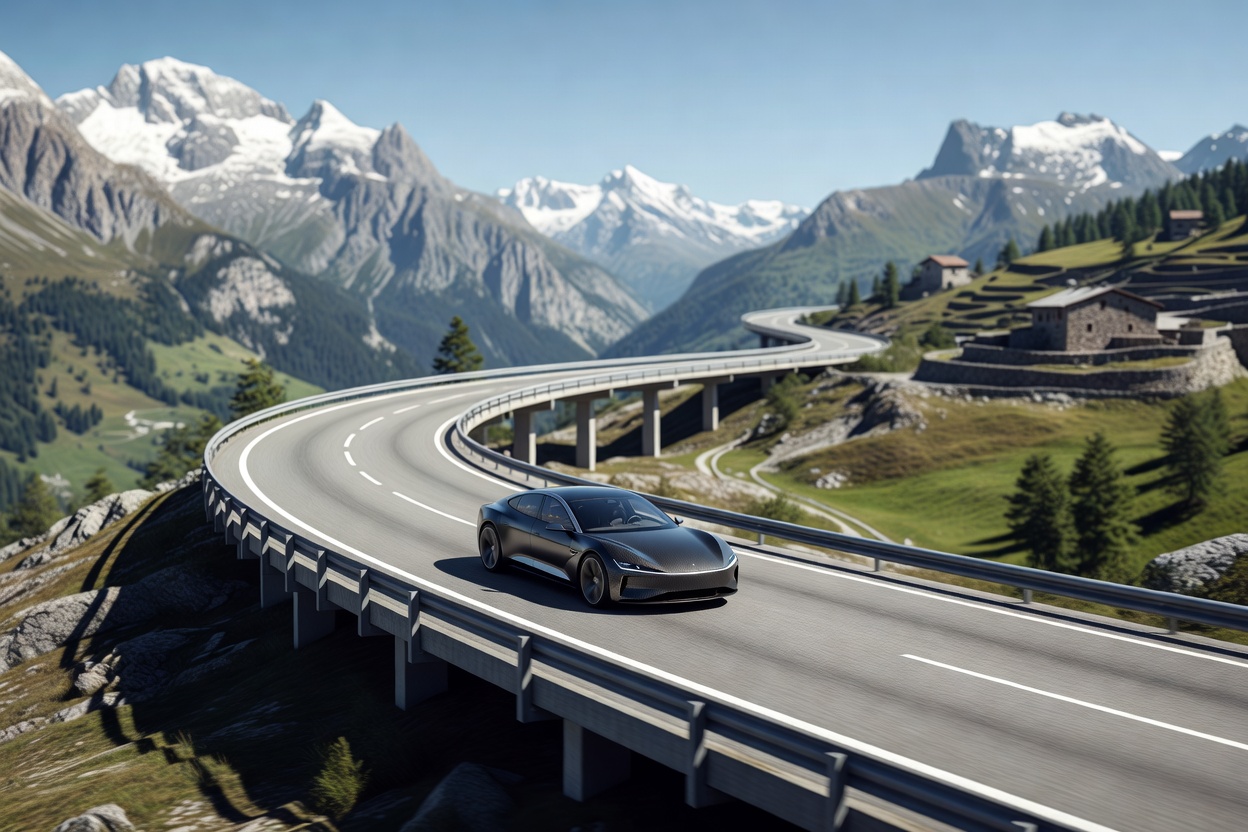
Modern electric vehicle travelling along a scenic European mountain motorway
01

Buffer Strategy

Target 10% to 20% state-of-charge arrival buffers to accommodate cold headwinds, elevation surges, and occupied chargers.

02

Charging Curves

Charge between 10% and 80% where battery acceptance rates peak, cutting station dwell time by nearly half.

03

Destination First

Prioritise overnight destination AC charging at hotels to start every morning with full capacity without motorway queues.

Comprehensive Guides

The Five Pillars of Electric Touring

Practical, research-grounded guidebooks for every stage of your continental electric vehicle journey.

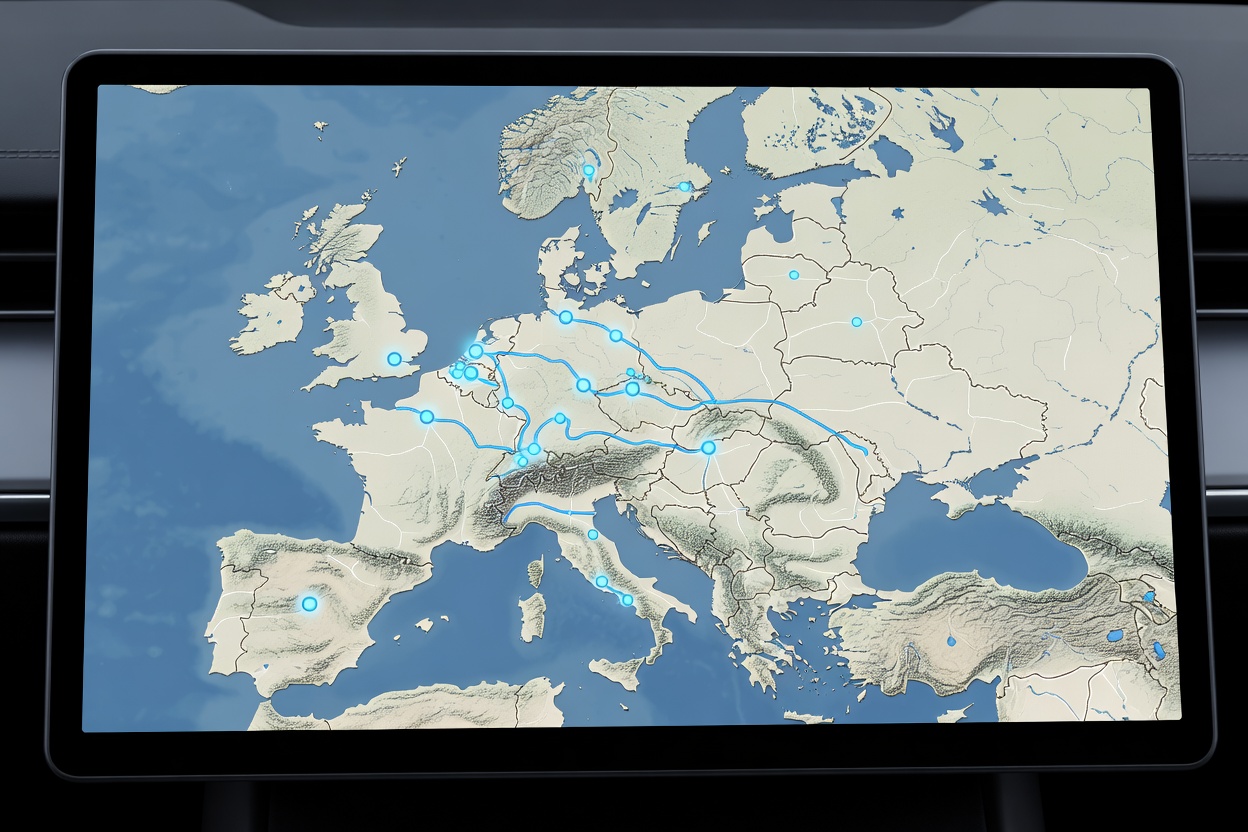
Electric vehicle navigation display plotting optimal charging intervals across European borders
Route Architecture 9 min reading guide

Electric Vehicle Road-Trip Planning

Master the shift from distance-based navigation to energy-based touring. Learn how elevation profiles, headwind resistance, motorway cruising speeds, and charging stop frequency shape realistic daily itineraries across Europe.

Core Focus: Usable battery reserves, charging intervals, backup routing
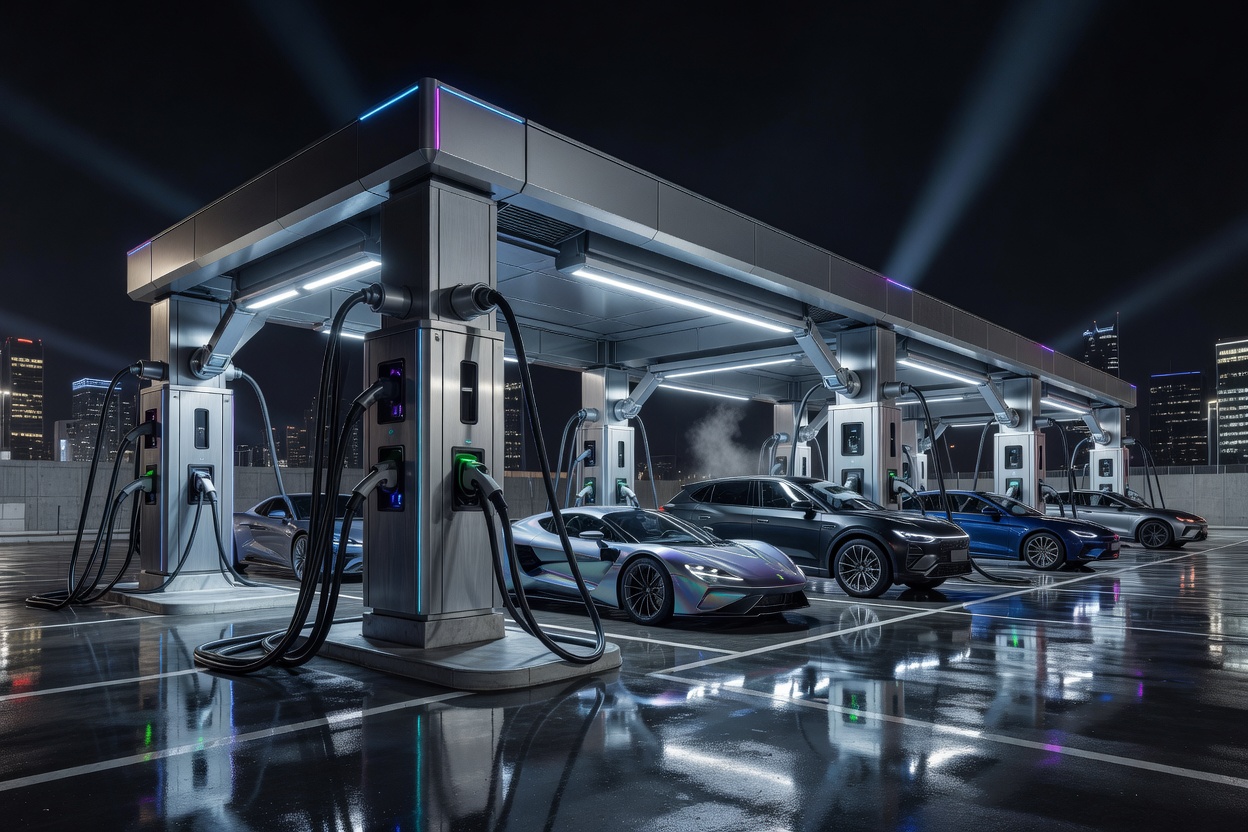
High power ultra fast DC charging hub with multiple electric vehicles connected to charging cables
Infrastructure Intelligence 10 min reading guide

EV Charging Network Guide

Demystify alternating current (AC) vs direct current (DC) high-power hubs, CCS2 physical connectors, roaming payment RFID cards, thermal pre-conditioning, and how charging curves dictate dwell time.

Core Focus: Fast charger acceptance rates, roaming passes, connector standards
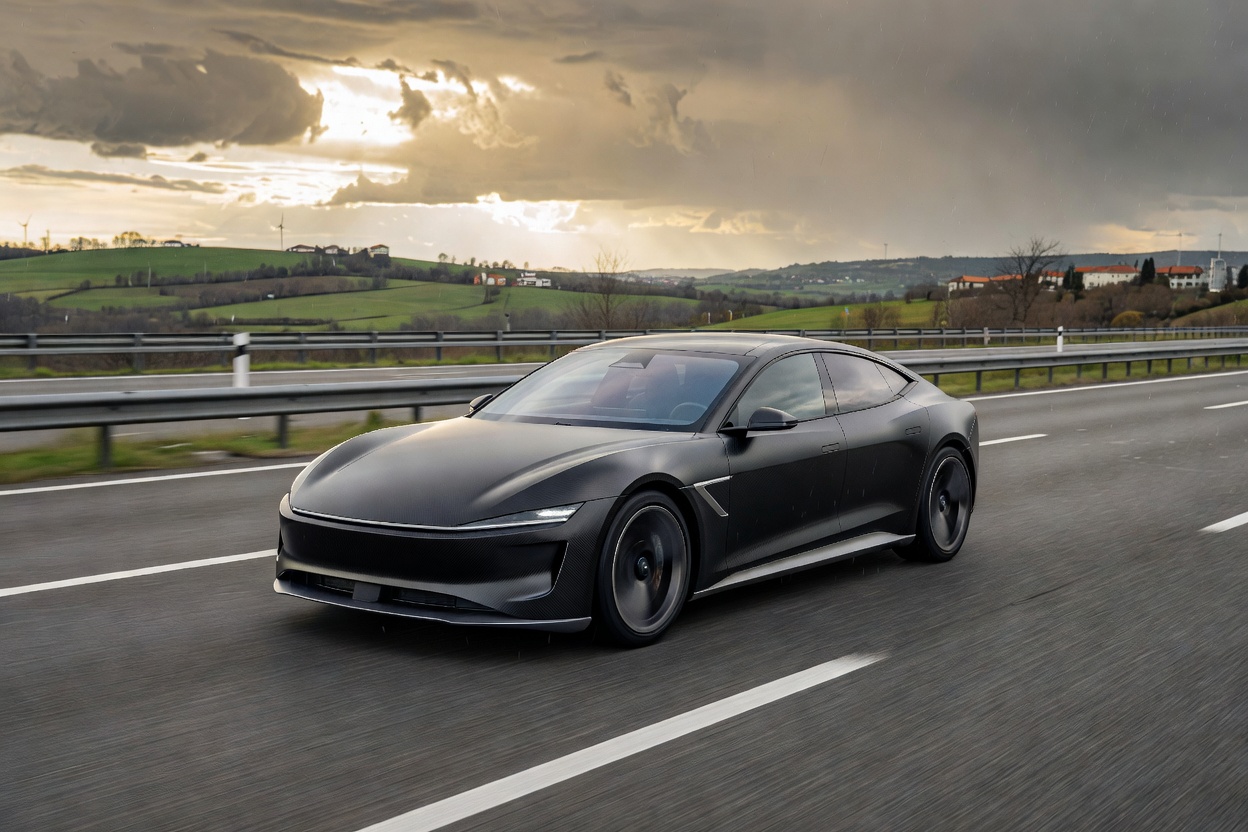
Aerodynamic electric saloon cruising on a European highway during variable weather conditions
Efficiency Dynamics 9 min reading guide

Long-Distance EV Driving

Discover why cruising at 110 km/h often achieves faster total travel time than sprinting at 130 km/h. Understand regenerative mountain descents, wet tarmac drag, climate control energy draw, and realistic highway consumption.

Core Focus: Aerodynamics, highway consumption, speed vs charging tradeoffs
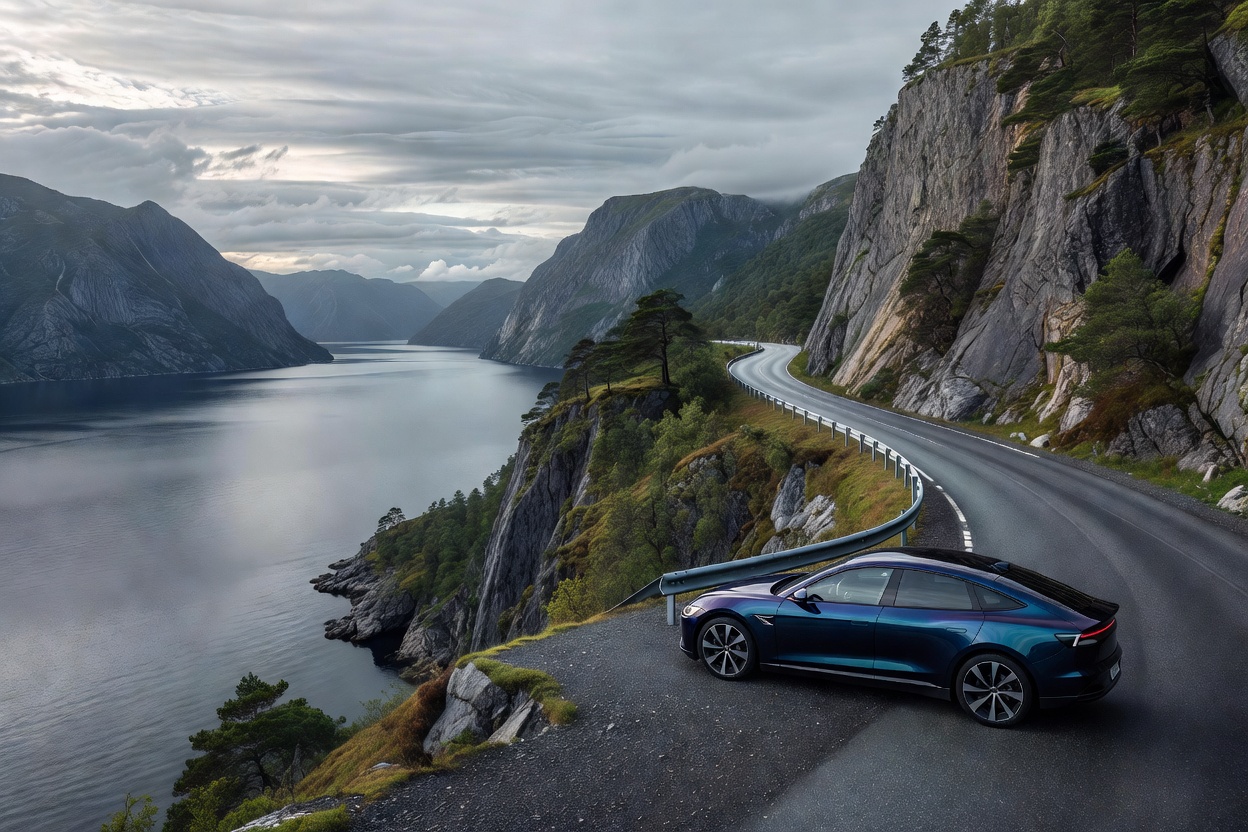
Scenic coastal highway in Scandinavia with an electric vehicle parked overlooking a fjord
Destination Dossiers 10 min reading guide

EV Routes & Destinations

Survey regional charging realities from dense Nordic charging corridors and Alpine mountain passes down to the Mediterranean coastline. Learn about environmental low-emission vignettes and rural infrastructure strategies.

Core Focus: Nordic, Alpine, and Mediterranean touring considerations
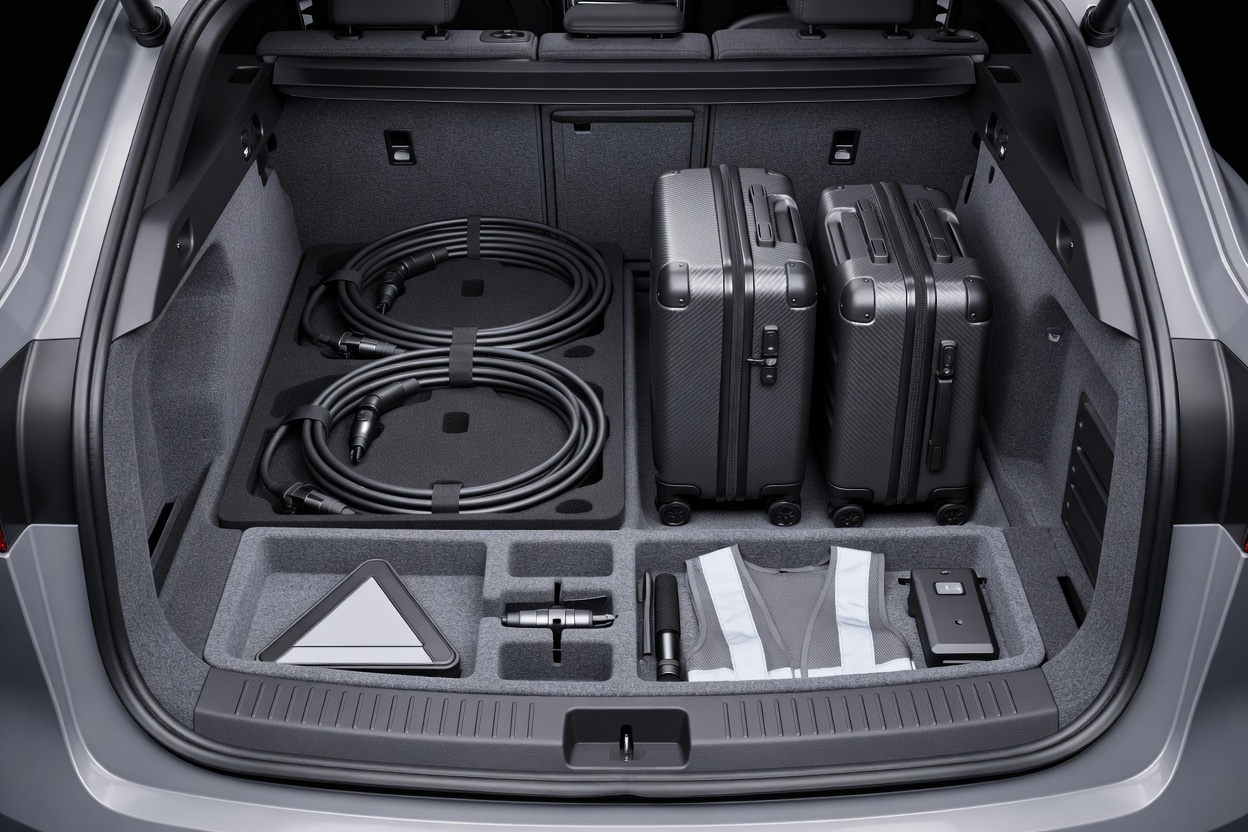
Luggage compartment and front frunk of an electric car neatly organized with Type 2 cables and travel gear
Checklists & Hardware 8 min reading guide

Electric Car Trip Preparation

Before setting tyre on the motorway, ensure you pack the right Type 2 cables, emergency domestic 230V portable EVSE units, European roaming accounts, verified tyre pressures for loaded cargo, and navigation app profiles.

Core Focus: Cables, tyre load ratings, app setup, emergency contingency
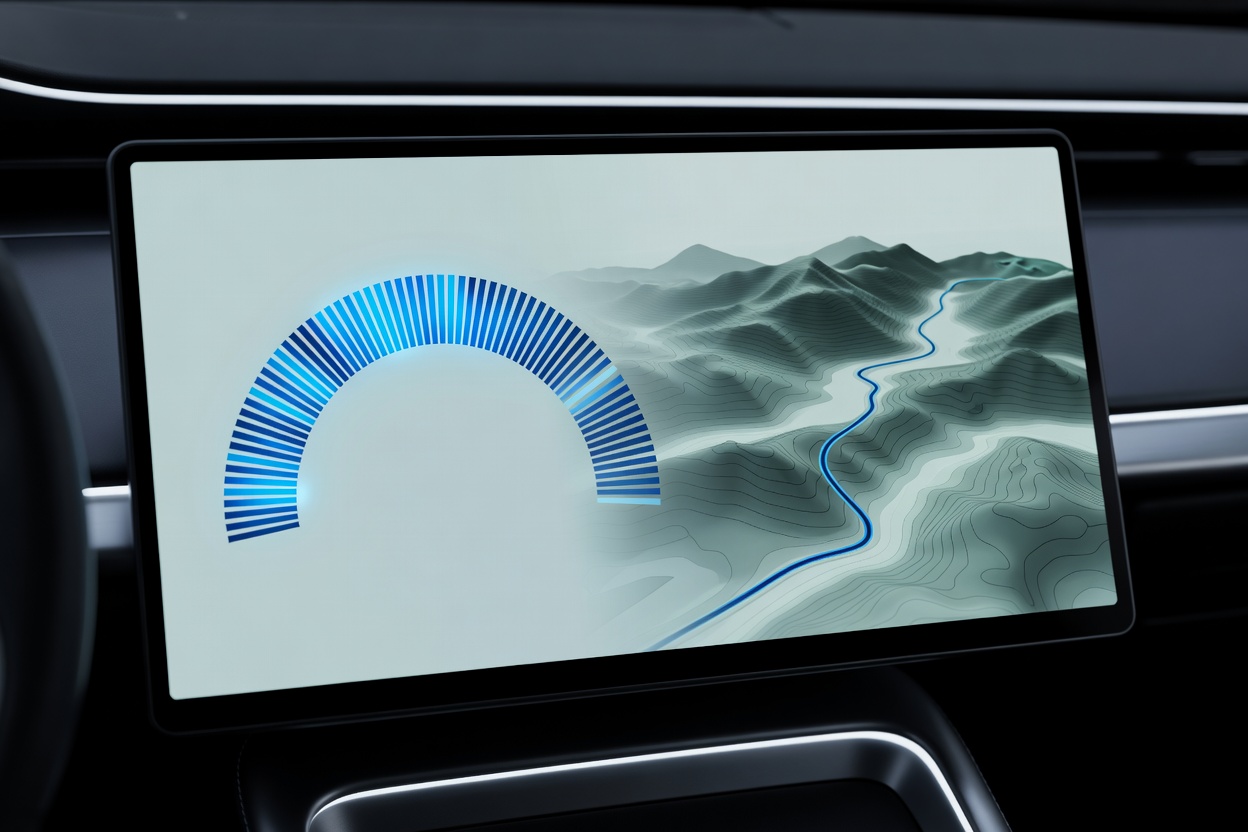
Dashboard energy meter and elevation terrain map display inside an electric vehicle
Section 01 • Strategy

Plan Around Energy, Not Fuel Stops

Unlike internal combustion vehicles where refuelling takes five minutes anywhere, electric road trips thrive on synchronised travel rhythms. The secret is aligning charging stops with natural rest intervals, meals, or scenic view points.

Elevation plays a decisive role on European routes. Climbing 1,000 metres up an Alpine pass demands roughly 3 to 4 kWh of potential energy per tonne of vehicle mass. Crucially, up to 70% of that energy is recovered during continuous descent via regenerative braking.

  • The 10-80 Rule: Most modern lithium batteries accept maximum power up to 50% state-of-charge before tapering sharply.
  • Redundancy Planning: Never arrive at an isolated single-stall charger with less than 20% remaining capacity.
  • Pre-conditioning: Program rapid chargers as navigation waypoints so your vehicle preconditions its battery pack for high intake.
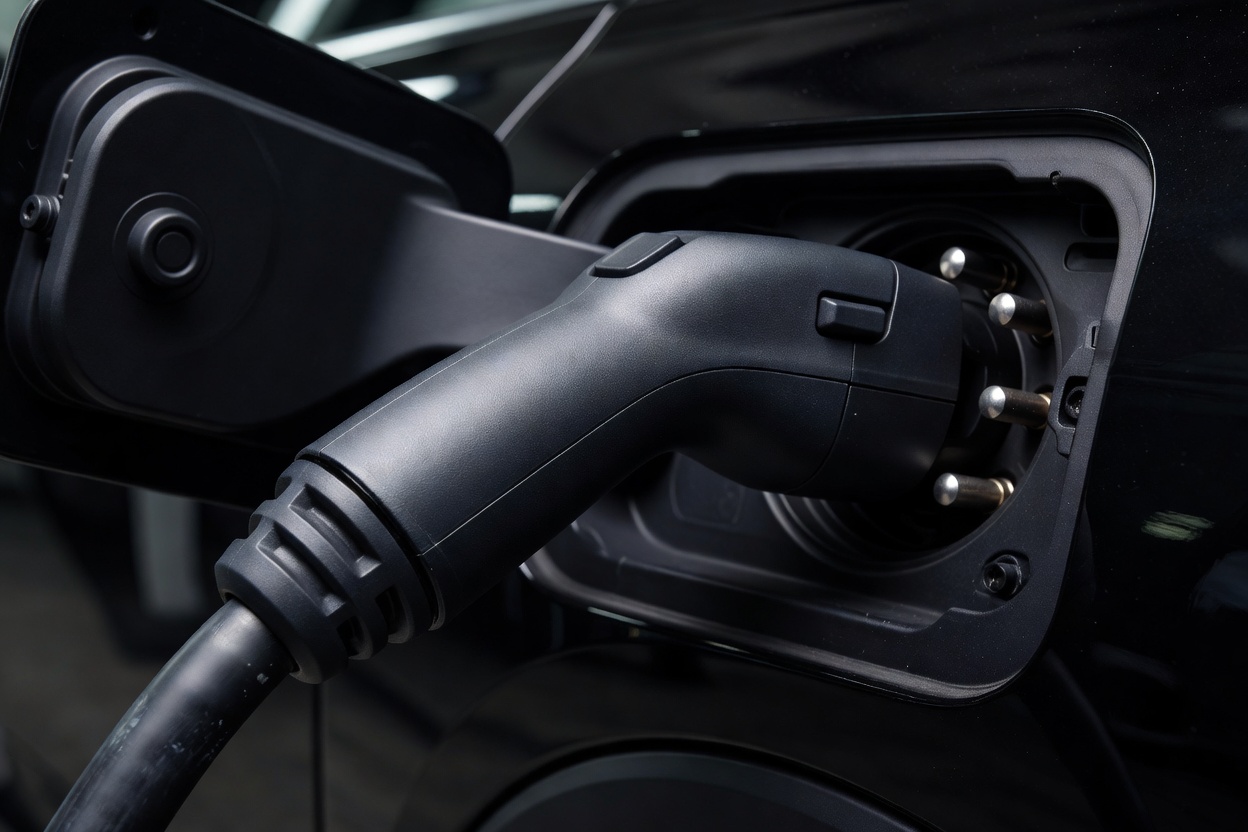
Close-up of a high power CCS2 direct current fast charging connector securely locked into a vehicle port
Section 02 • Hardware

Demystifying European Charging Standards

Across the European Union and United Kingdom, CCS2 (Combined Charging System Type 2) is the standard for DC ultra-rapid hubs. However, payment friction remains the primary challenge for international travellers who do not prepare ahead.

Credit card tap-to-pay terminals are increasingly mandatory on new 50 kW+ chargers under the EU Alternative Fuels Infrastructure Regulation (AFIR), but having at least two interoperable roaming RFID cards guarantees access at remote rural locations without reliable cellular coverage.

Connector Snapshot

Type 2 cables handle 7.4 kW to 22 kW AC at hotels and municipal street posts. High-power DC plugs with thick, liquid-cooled cables deliver 150 kW to 350 kW along motorway services.

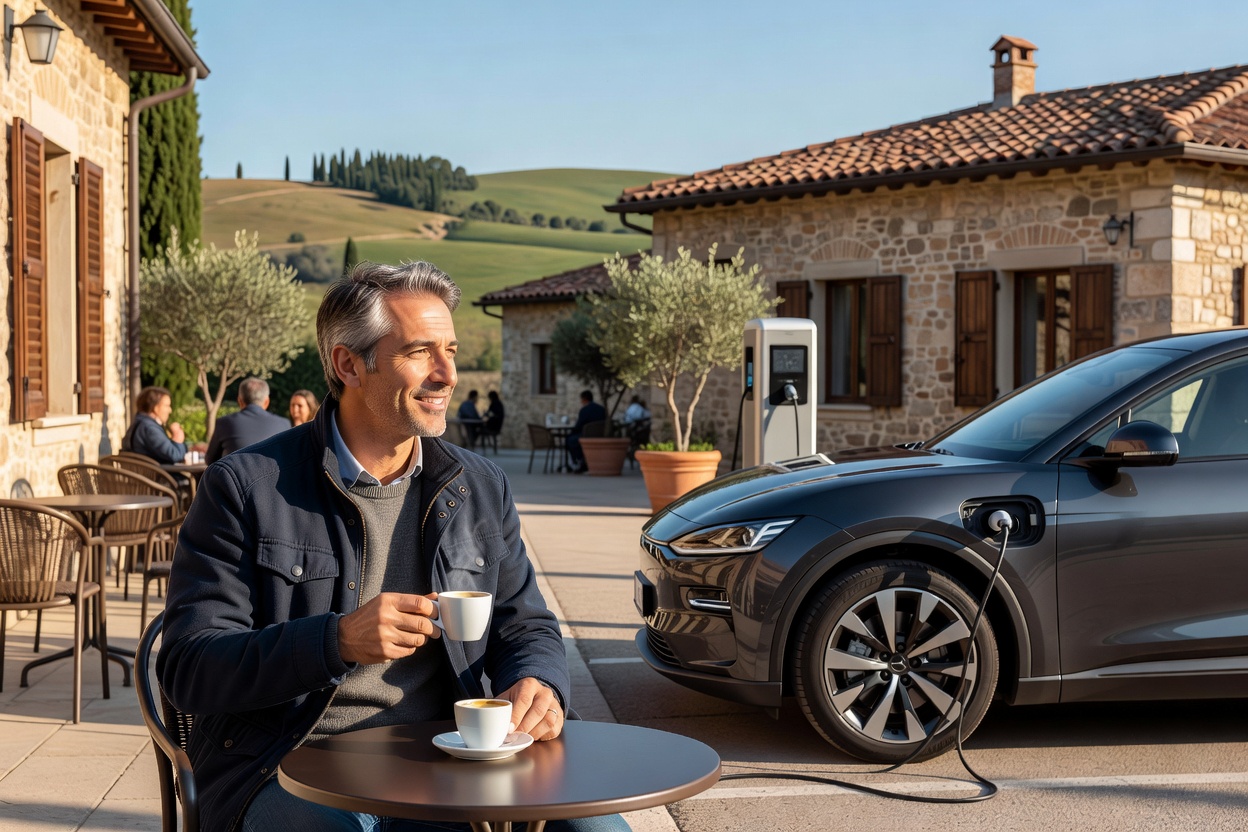
Electric vehicle driver enjoying an espresso coffee at a European service plaza while their vehicle charges
Section 03 • Driving Culture

Rethinking the Continental Cross-Country Drive

Seasoned EV tourers will tell you that driving electric changes how you feel at the end of an 800-kilometre day. By swapping one exhausting continuous slog for three 25-minute charging and stretching breaks, driver fatigue is drastically reduced.

Cabin noise is virtually absent at steady speeds, allowing you to appreciate passing landscapes. The key mindset adjustment is viewing the charging stop as a pleasant intermission rather than an obstacle to your destination.

Ready for the road?